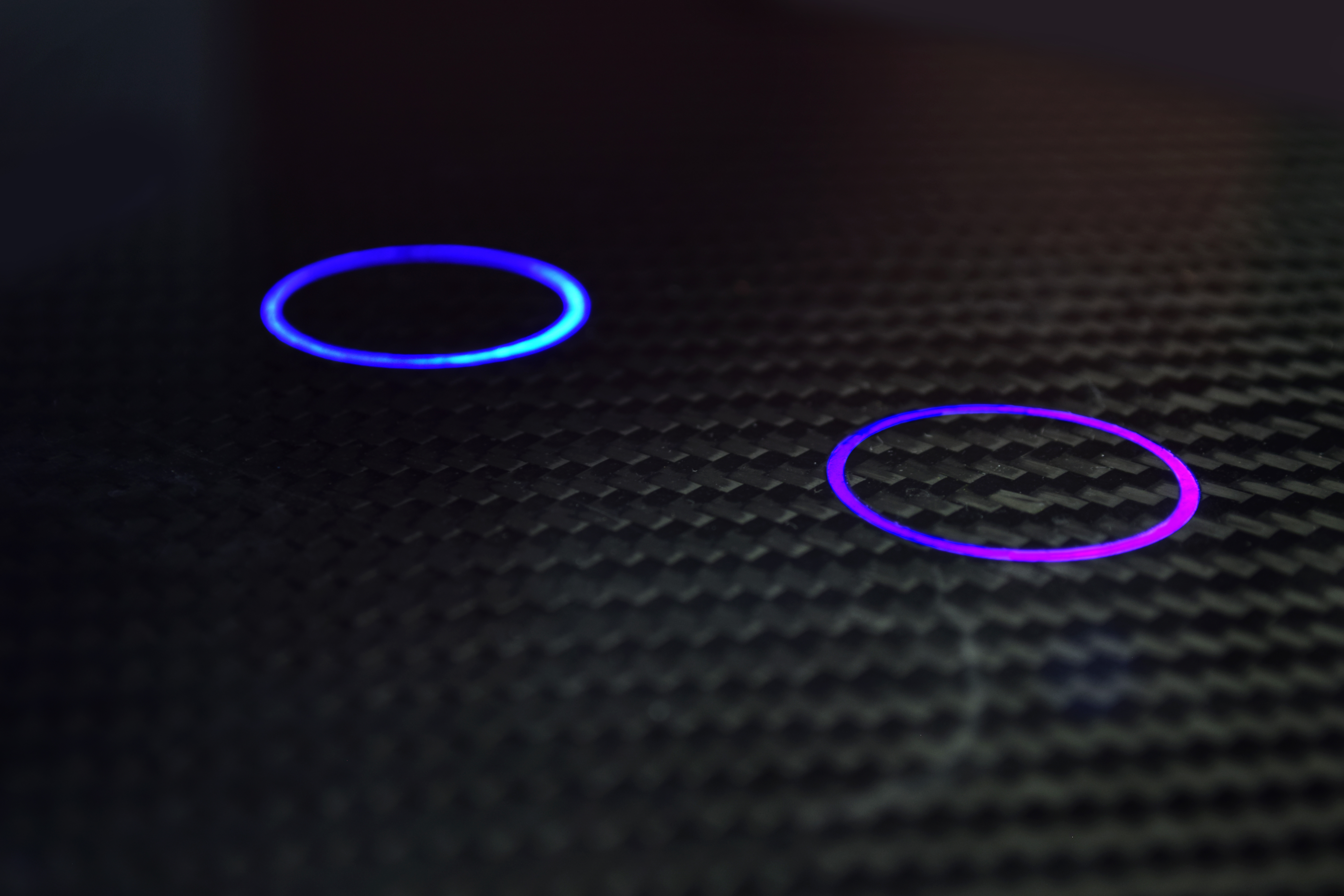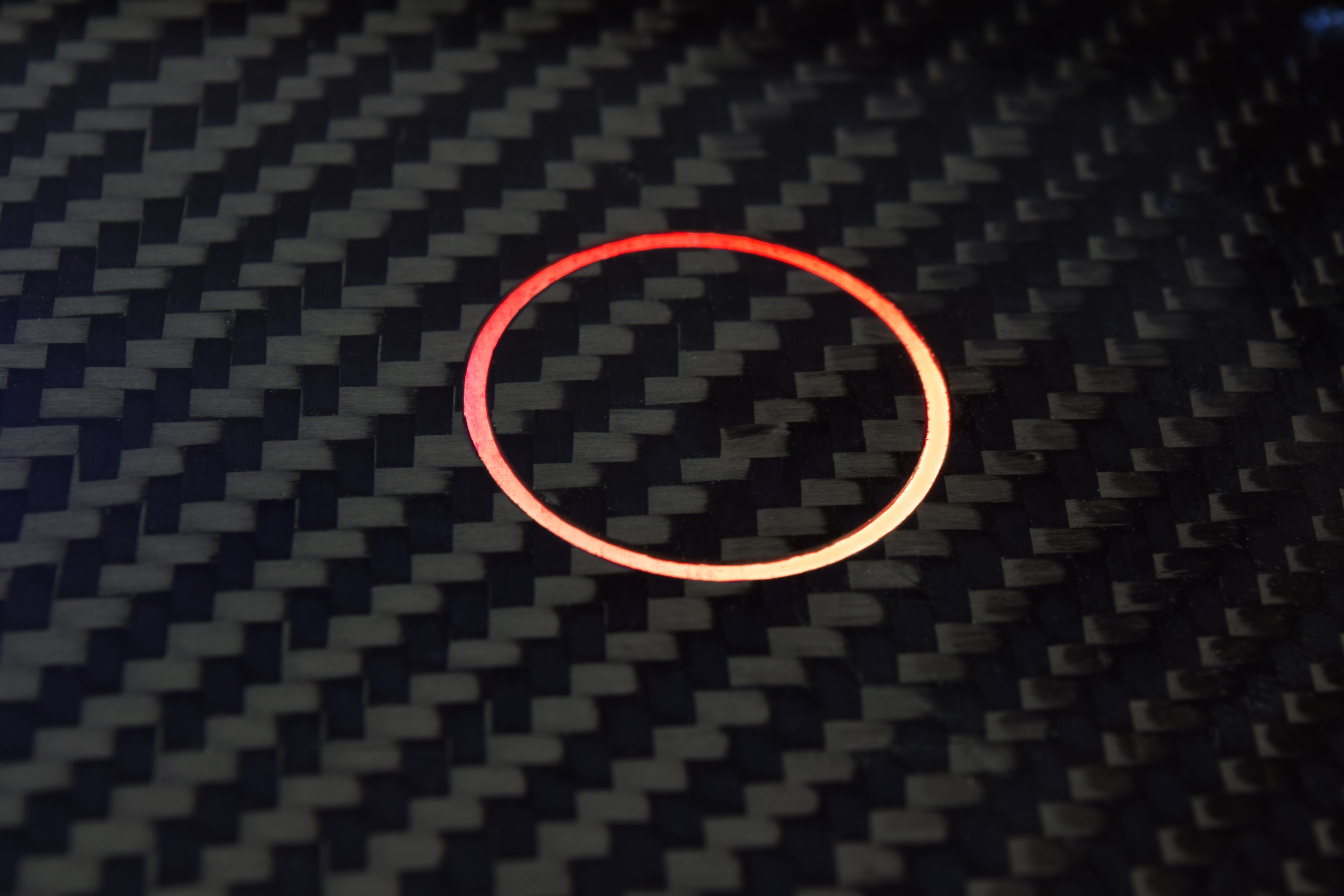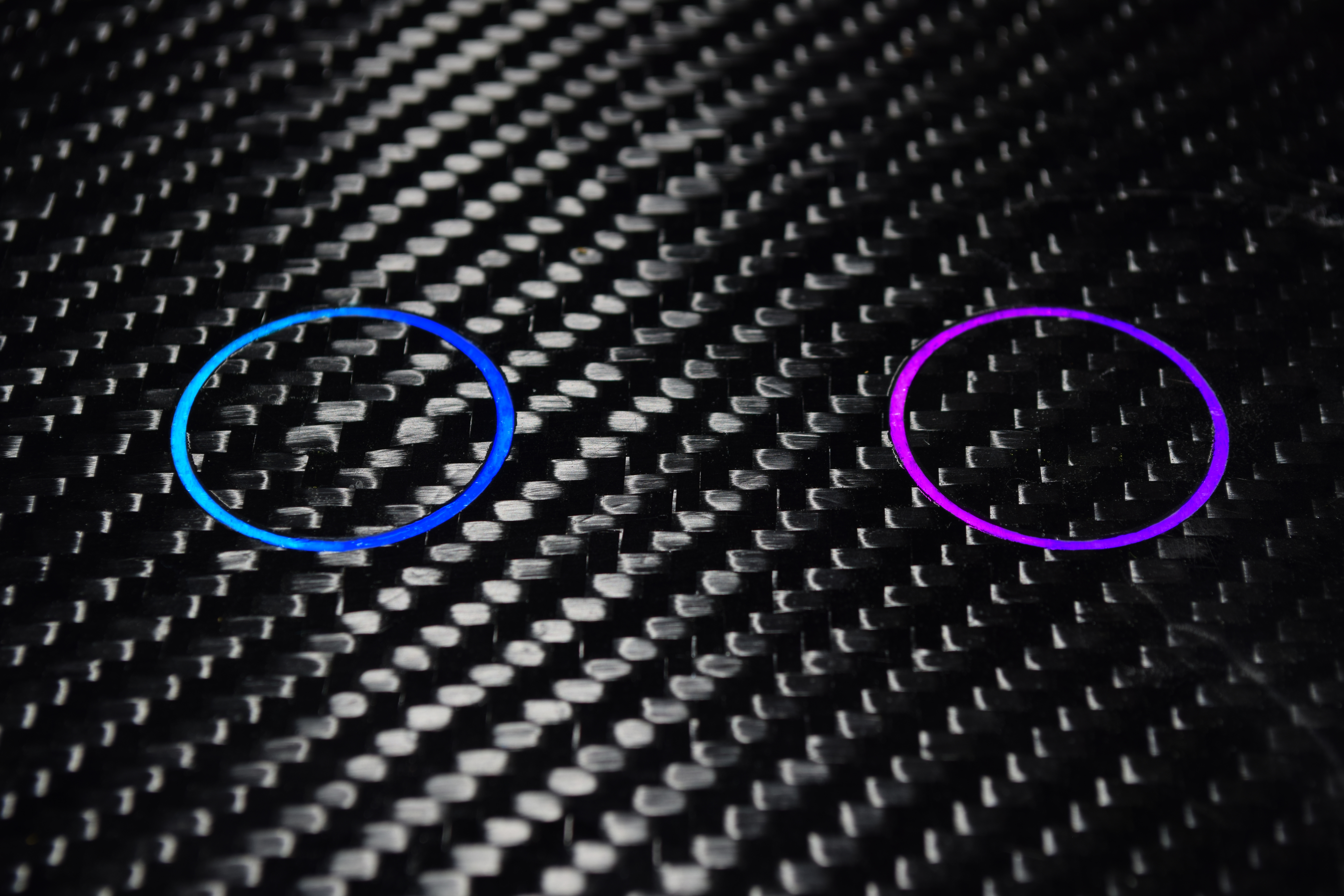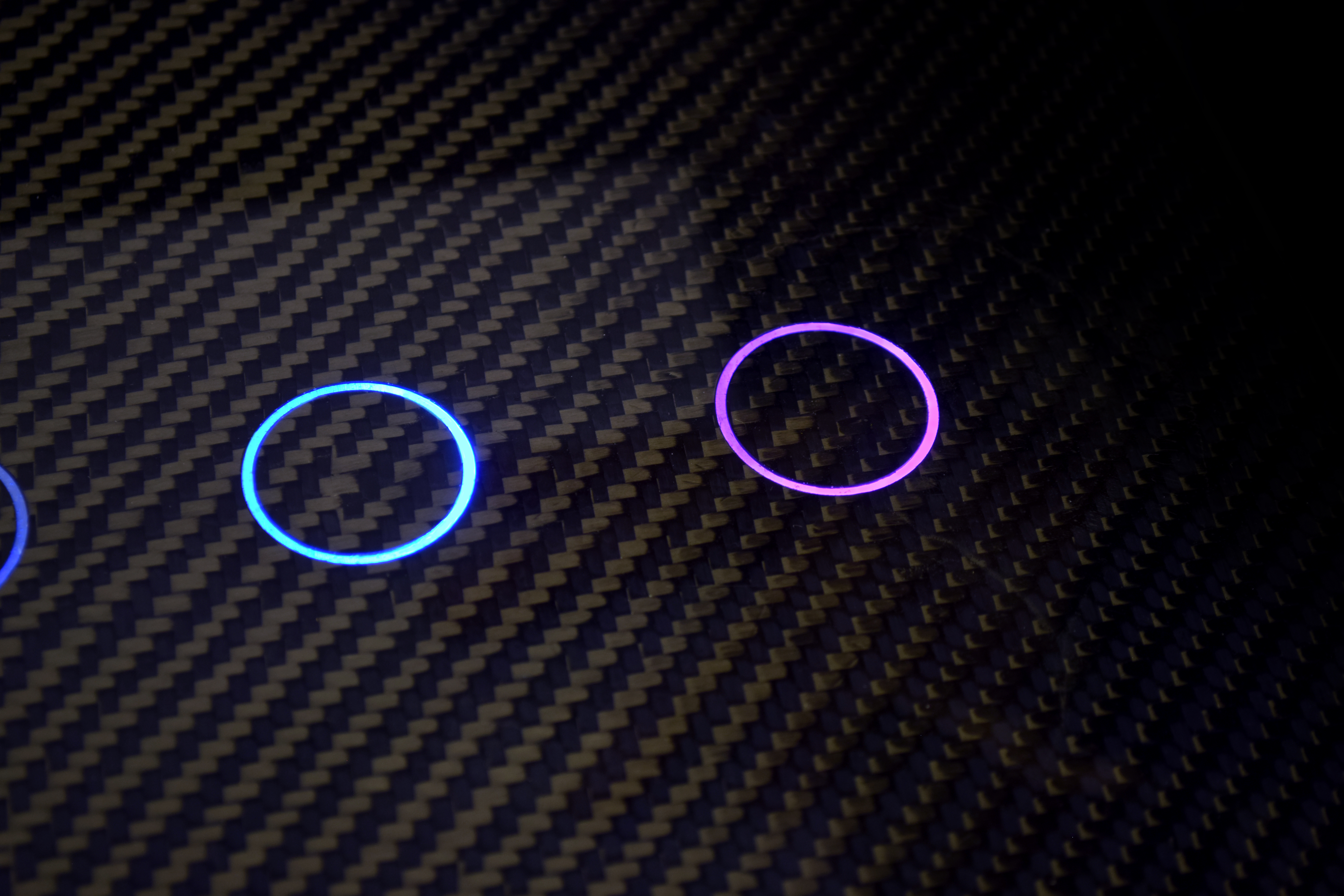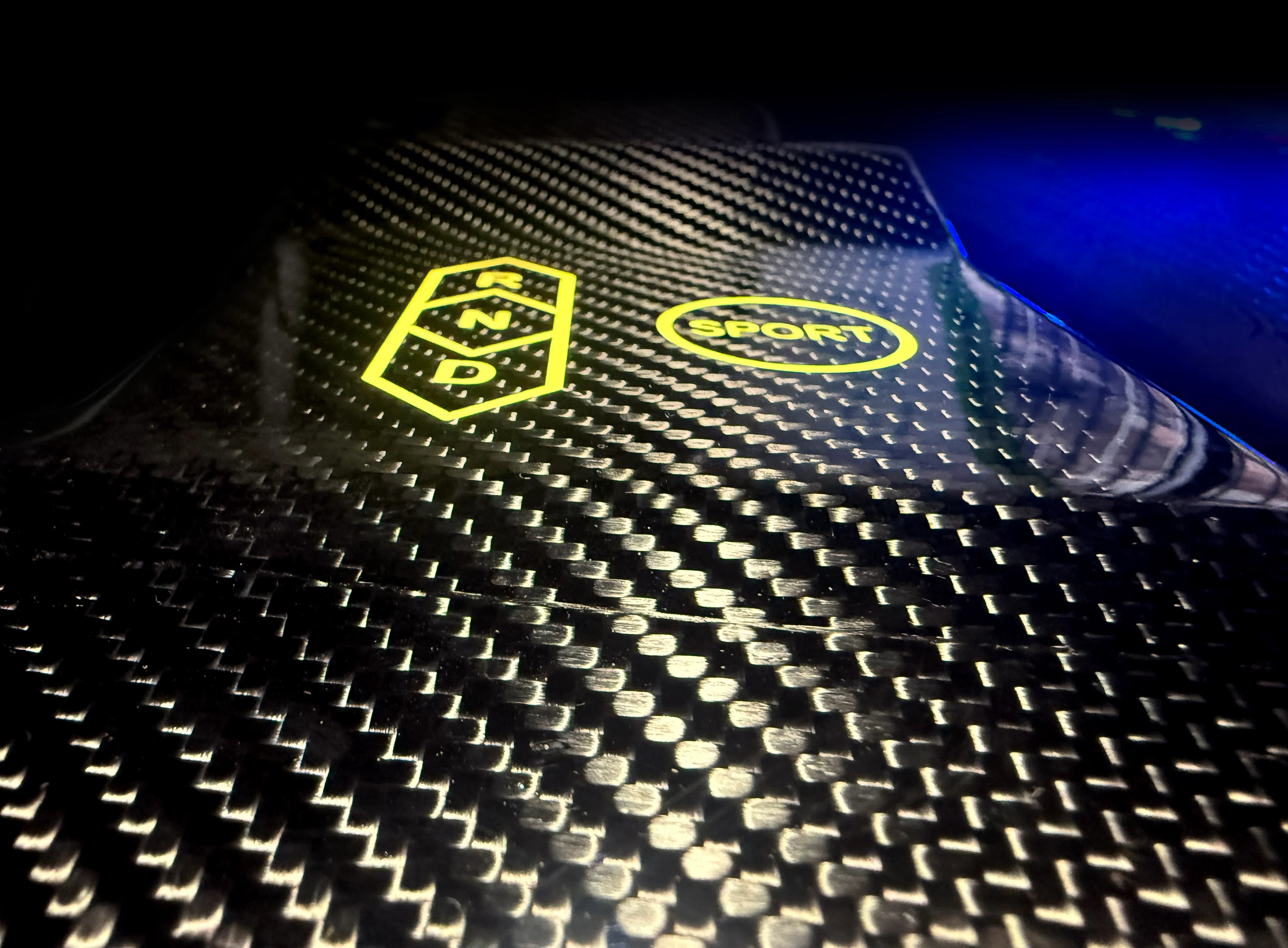
Carbon fiber smart surface with illuminated touch sensor
Advanced Composite Integration

Smart Composite Surfaces

Touch-enabled carbon fiber, Kevlar, and fiberglass for aerospace, marine, robotics & high-performance automotive. Lightweight strength meets intelligent sensing.

Carbon Fiber
High Performance
Fiberglass
Cost-Effective
Kevlar
Impact Resistant
Natural
Sustainable
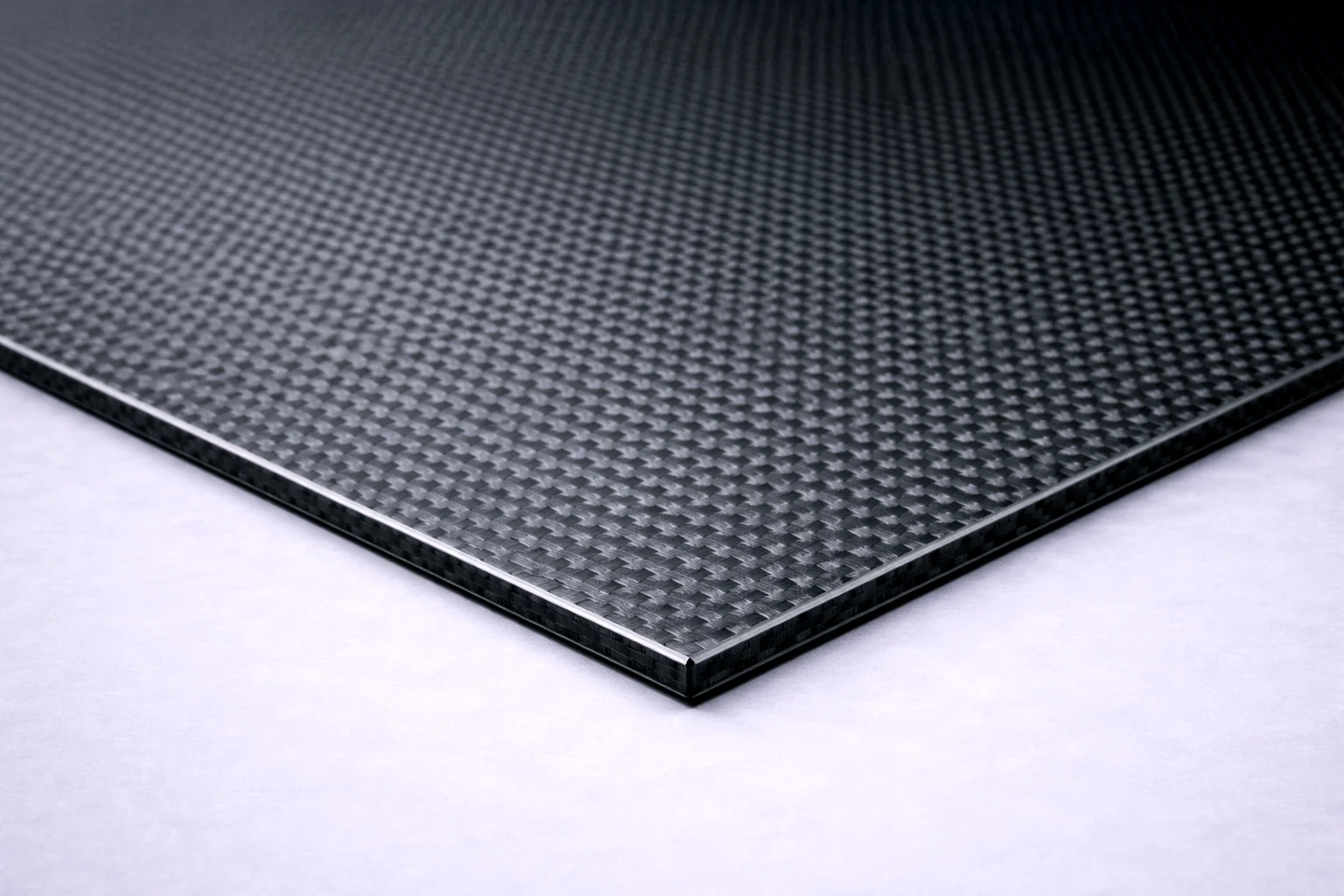
Why Composite Materials?

Performance Meets Intelligence

Composite materials offer distinct advantages for applications demanding lightweight strength, design freedom, and extreme-condition reliability

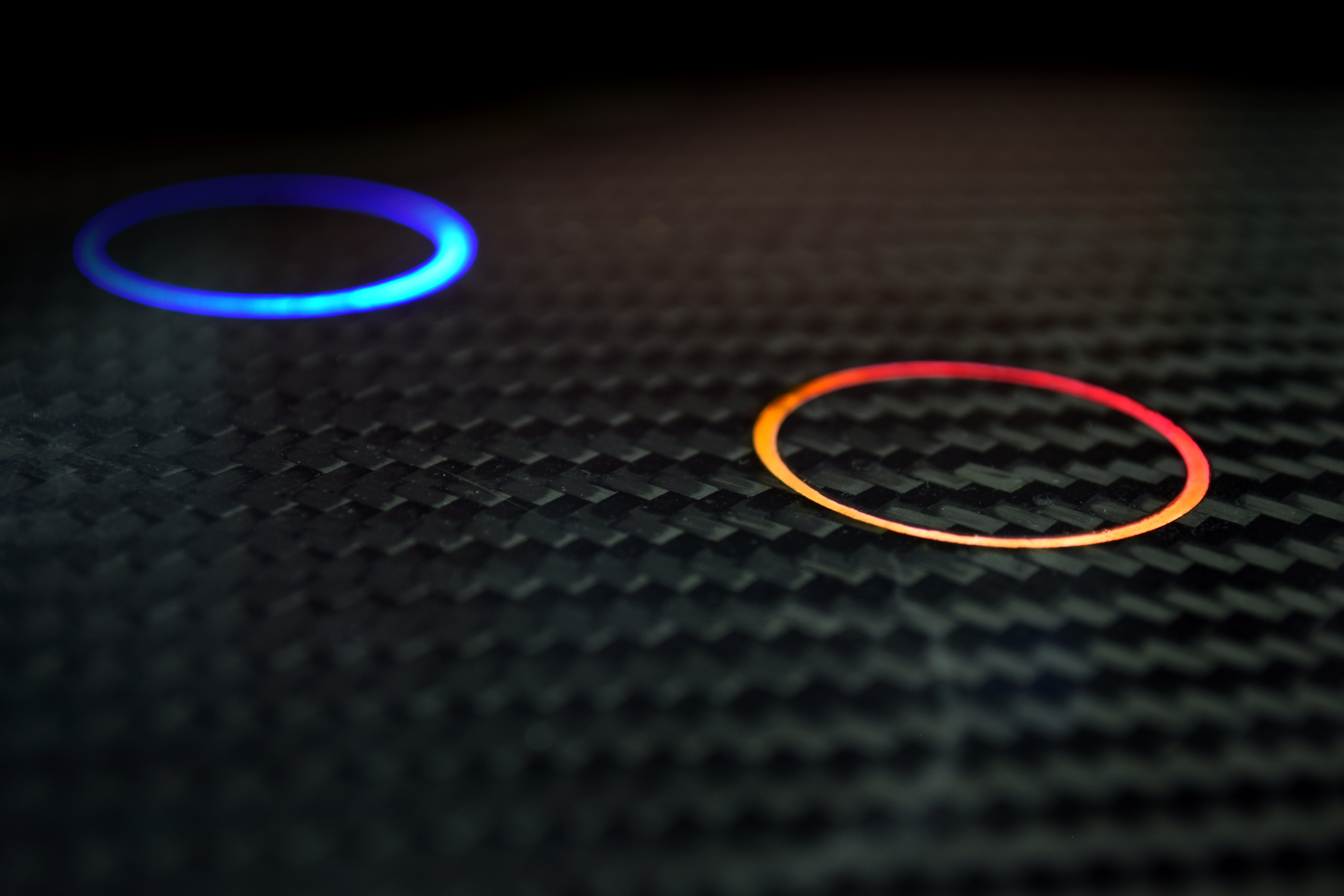
Close-up of dual sensing rings on carbon fiber weave
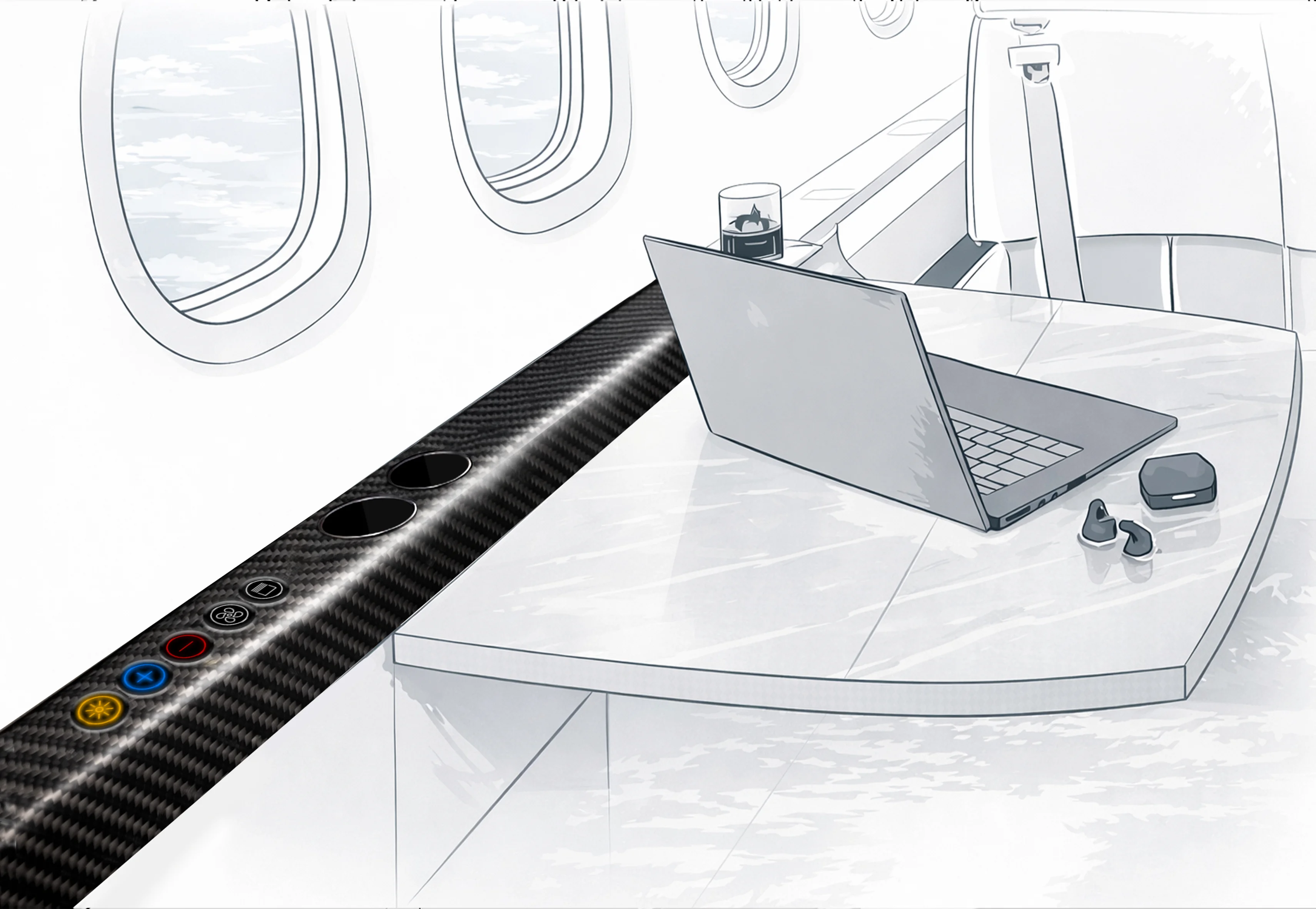
Angled view of carbon component with integrated touch controls
Top view showing full sensor layout on composite panel

Lightweight Strength

Exceptional strength-to-weight ratios critical for aerospace, high-performance automotive, and marine applications without compromising structural integrity.

Design Freedom

Moldable into complex, organic shapes impossible with glass or metals. Enables ergonomic handles, contoured surfaces, and sculptural designs.

Extreme Environment Performance

Withstands temperature extremes, vibration, moisture, and chemical exposure. Proven in subsea robotics, aerospace avionics, and outdoor industrial equipment.

Material Variety

Carbon fiber for maximum performance, fiberglass for cost-effectiveness, Kevlar for impact resistance, natural fibers for sustainability.

Sensing Capabilities

Beyond touch detection: pressure monitoring, temperature sensing, force measurement, and structural health monitoring integrated into composite layers.

Sustainable Options

Natural fiber composites (flax, hemp) enable bio-based smart surfaces. Lower carbon footprint while maintaining intelligent functionality.

How Composite Touch Integration Works

Èlevit's proprietary manufacturing process embeds capacitive sensors at precise depths within composite layups, ensuring optimal electrical performance without compromising structural integrity

-40°C to +85°C
Aerospace Range

Validated for cockpit avionics and extreme-condition applications

Force
Pressure Sensing

Measure applied force for robotic grippers and prosthetic feedback

Multi-Layer
Integration

Sensors embedded during composite layup maintain full structural properties

Material Options

Choose Your Composite Type

Èlevit integrates touch sensors into diverse composite fiber types and resin systems

Dual circular touch zones integrated into carbon fiber texture
Hexagonal illuminated icon on carbon fiber smart panel
PRND interface integrated into curved carbon component
Top view of composite cockpit console with multiple smart controls

Carbon Fiber

Premium high-performance composites for aerospace, high-end automotive, and sporting equipment. Exceptional strength-to-weight ratio.

  • Highest strength-to-weight ratio
  • Electrical conductivity (requires specialized sensor design)
  • Premium applications
  • Maximum performance

Fiberglass

Cost-effective alternative widely used in marine, automotive, and industrial applications. Non-conductive for standard sensor integration.

  • Cost-effective solution
  • Non-conductive (standard integration)
  • Marine & industrial use
  • Corrosion resistant

Kevlar (Aramid)

Exceptional impact resistance and vibration damping for aerospace, military applications, and protective equipment.

  • Impact resistance
  • Vibration damping
  • Military & aerospace
  • Protective applications

Natural Fibers

Flax, hemp, and other natural fibers for sustainable composites in consumer products and lower-performance automotive applications.

  • Sustainable & bio-based
  • Lower carbon footprint
  • Consumer products
  • Environmentally responsible
Interaction Modalities

Multiple Sensing Capabilities

Touch Sensing

Direct button-press activation for control interfaces on composite handles, panels, and structures.

Slider Interaction

Continuous position sensing along defined paths for volume, speed, or parameter adjustments.

Proximity Sensing

Detect user approach without contact for automatic system activation and gesture-based control.

Force Sensing

Measure pressure or force applied for grip-strength monitoring, load sensing, and advanced HMI in prosthetics.

Applications by Industry

Where Smart Composites Excel

From aerospace cockpits to prosthetic limbs, composite touch technology delivers lightweight intelligence in extreme conditions

Composite touch console viewed from top with multiple control zones
Composite cockpit component integrating start and drive controls
Detailed PRND touch interface integrated in composite material
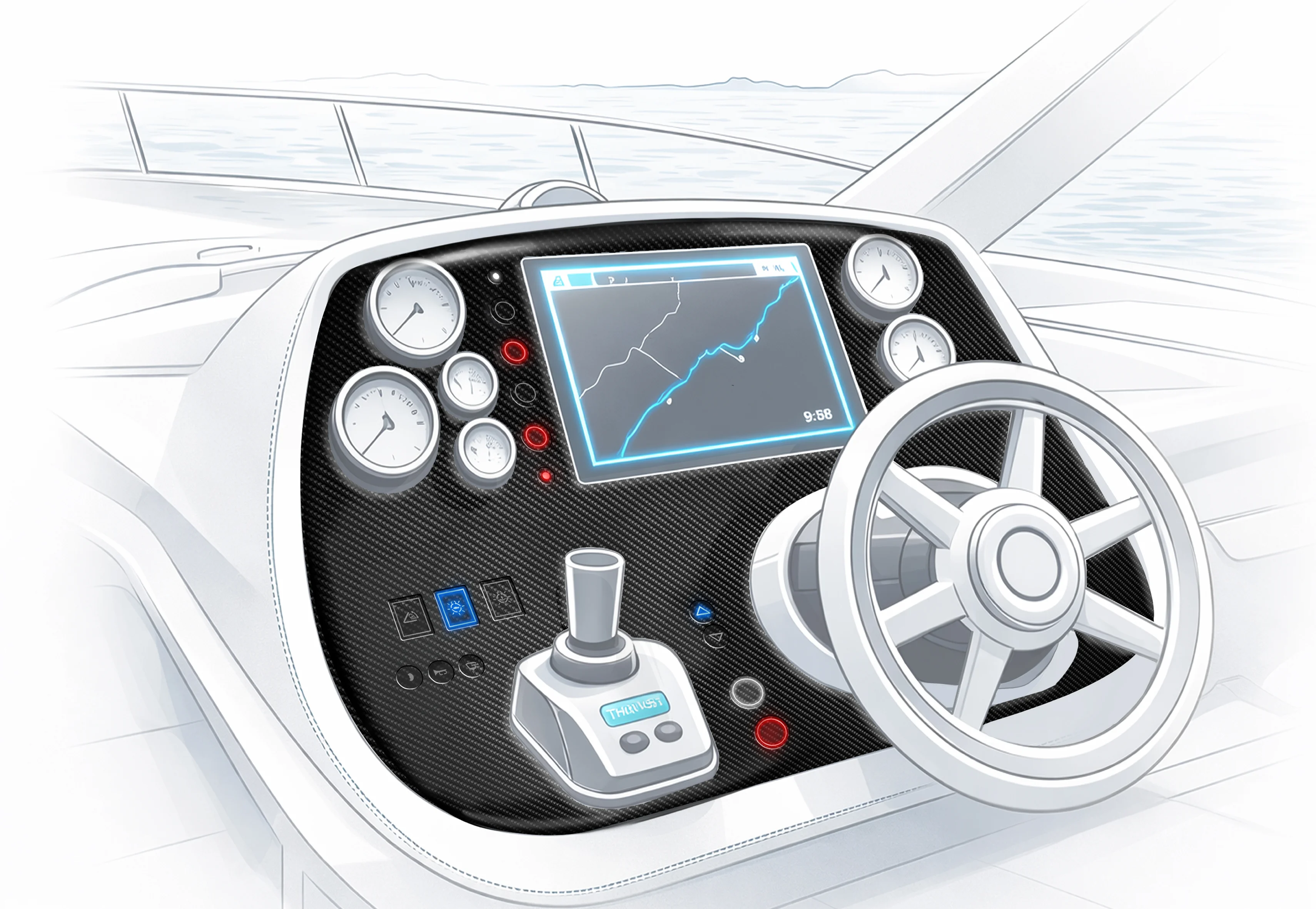
Marine dashboard concept featuring carbon control area

Aerospace

Aircraft cockpit controls and avionics systems integrate composite touch surfaces to reduce weight while adding functionality.

  • Cockpit control surfaces
  • -40°C to +85°C validated
  • Weight reduction critical
  • Extreme reliability required

Marine

Boat builders integrate composite touch into helms, dashboards, and exterior controls for salt water environments.

  • Salt water corrosion resistance
  • UV exposure durability
  • Vibration & impact tested
  • Helm integration

Robotics & Prosthetics

Robot grippers and prosthetic limbs require sensitive touch and force feedback integrated into lightweight structures.

  • Force & pressure sensing
  • Haptic feedback integration
  • Lightweight dexterous design
  • Neural interface capable

High-Performance Automotive

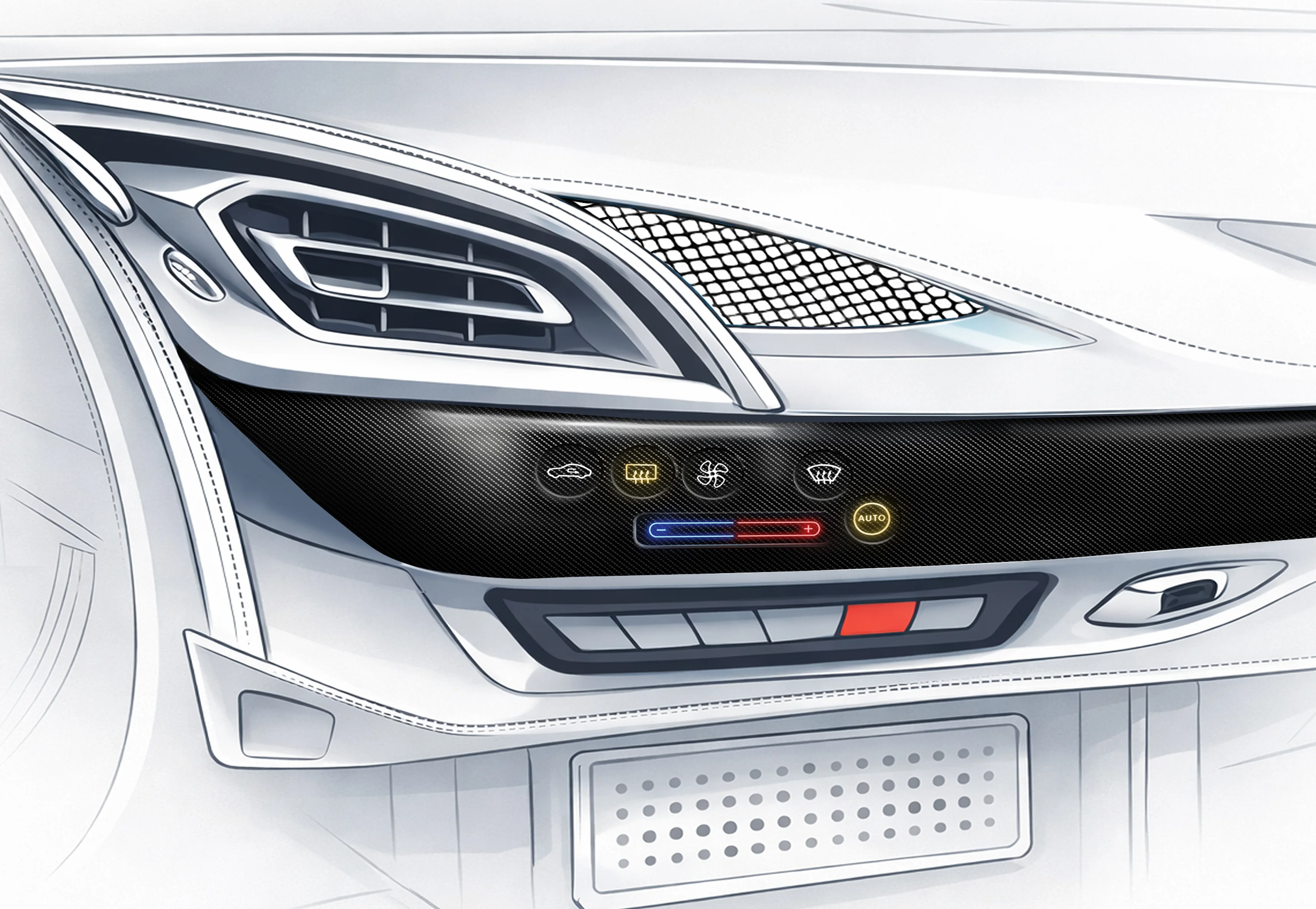
Carbon fiber interiors in performance and electric vehicles benefit from touch integration without added weight.

  • Carbon fiber trim integration
  • Zero weight penalty
  • Racing & luxury segments
  • Structural performance maintained

Bring Composites to Life

Whether you're developing aerospace controls, marine interfaces, robotic grippers, or high-performance automotive components, Èlevit can integrate composite sensor technology into your product.